First dollar is the activation event
The beginner experience should move a new seller from an idea to a live, monetizable asset with less configuration and fewer dead ends.
A proposed agent infrastructure for Commas that combines guided creation, short-lived sandboxes, secure tool access, and publish-ready outputs.
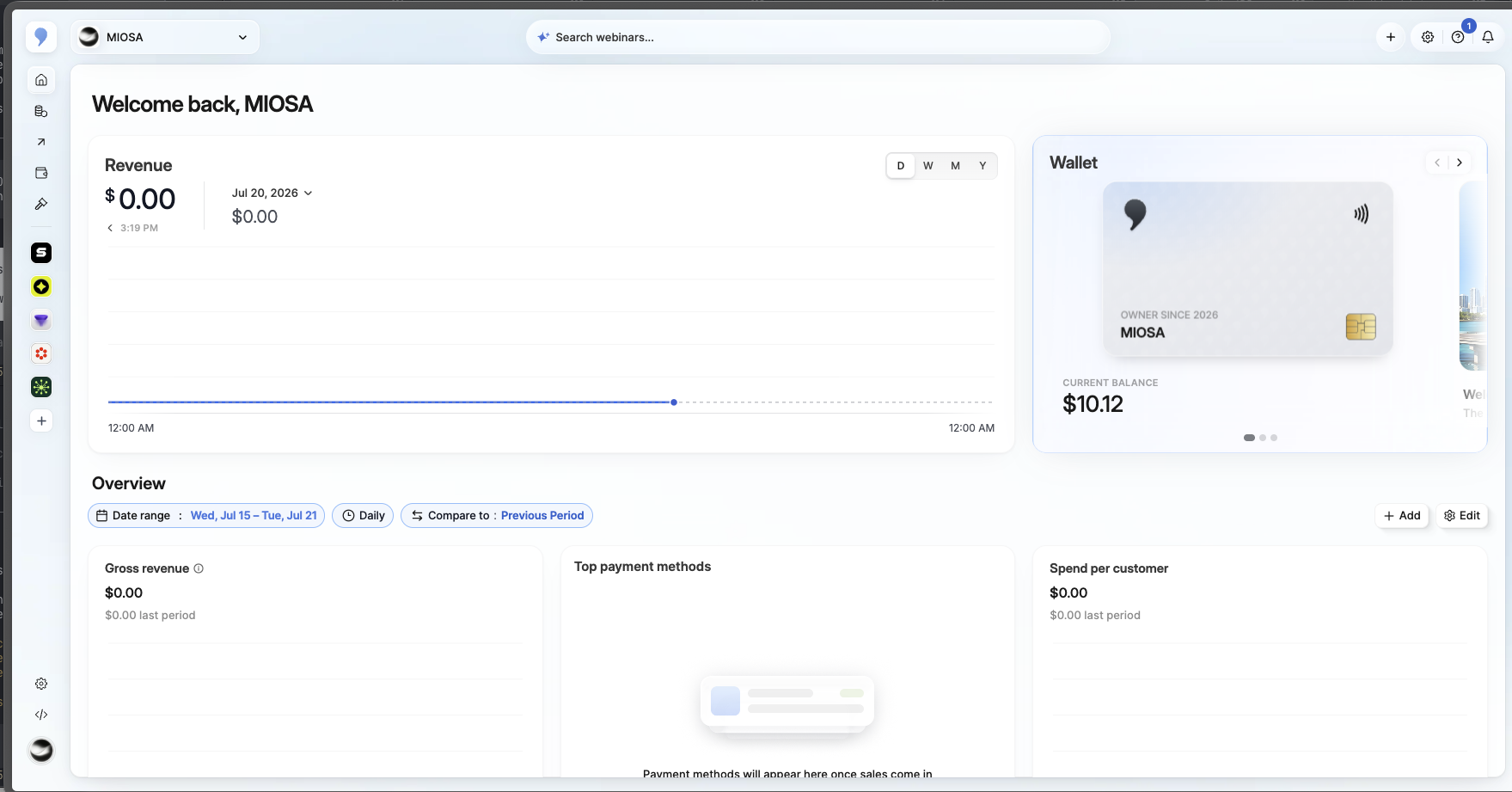
Use the live workspace for discussion, the full brief for implementation depth, and the PDF for circulation before the next working session.
These are the points worth validating first. Everything else should wait until the core journey works end to end.
The beginner experience should move a new seller from an idea to a live, monetizable asset with less configuration and fewer dead ends.
Each build needs its own short-lived environment so generation, testing, credentials, and cleanup are isolated by session.
The guided path and the enterprise path should share the same runtime while exposing different levels of control and complexity.
The agent layer should strengthen the seller journey across existing Commas products, not introduce another destination for users to manage.
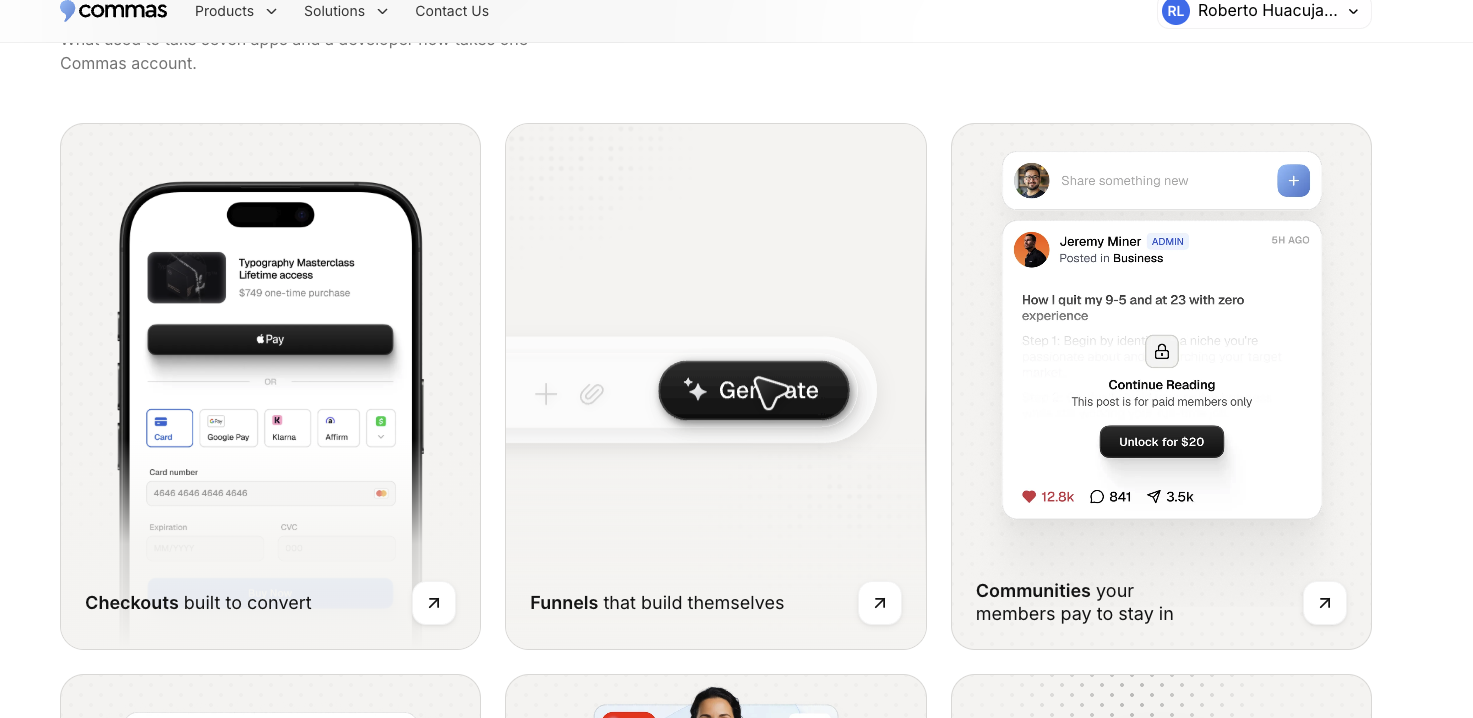
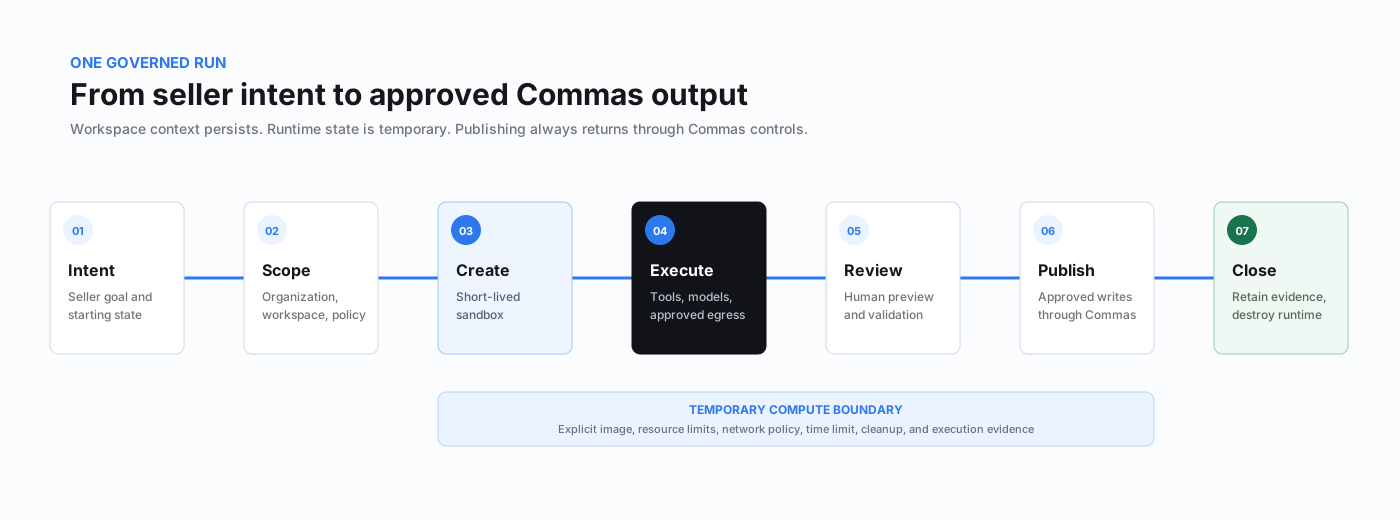
This is the practical path from the Commas codebase to a governed agent run. Select any step to see the boundary, configuration, and expected output.
The next technical session identifies the Commas runtime, the correct SDK entry point, and the server-side boundary for MIOSA requests.
A seller answers focused questions. The agent builds the offer, funnel structure, checkout, and launch assets inside a short-lived workspace. The seller reviews the result and publishes into Commas.
Isolation is the complete lifecycle around the work: create, scope, execute, review, publish, preserve evidence, and clean up.
The integration should preserve Commas as the system of engagement while isolating agent work, credentials, and compute behind a controlled boundary.
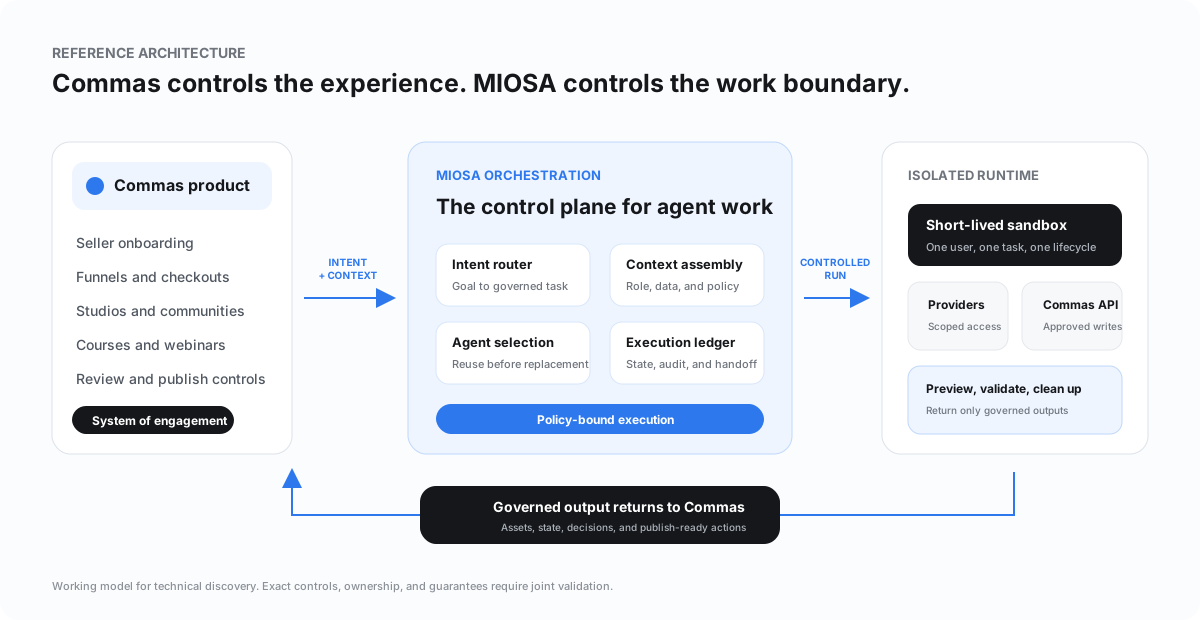
Onboarding, funnels, checkouts, communities, courses, webinars, and seller controls.
Intent routing, context assembly, agent selection, policy, execution state, and output handoff.
A short-lived sandbox or dedicated computer for every build, with explicit lifecycle and resource limits.
Provider access is scoped to the task. Secrets remain outside prompts, source files, and user-facing interfaces.
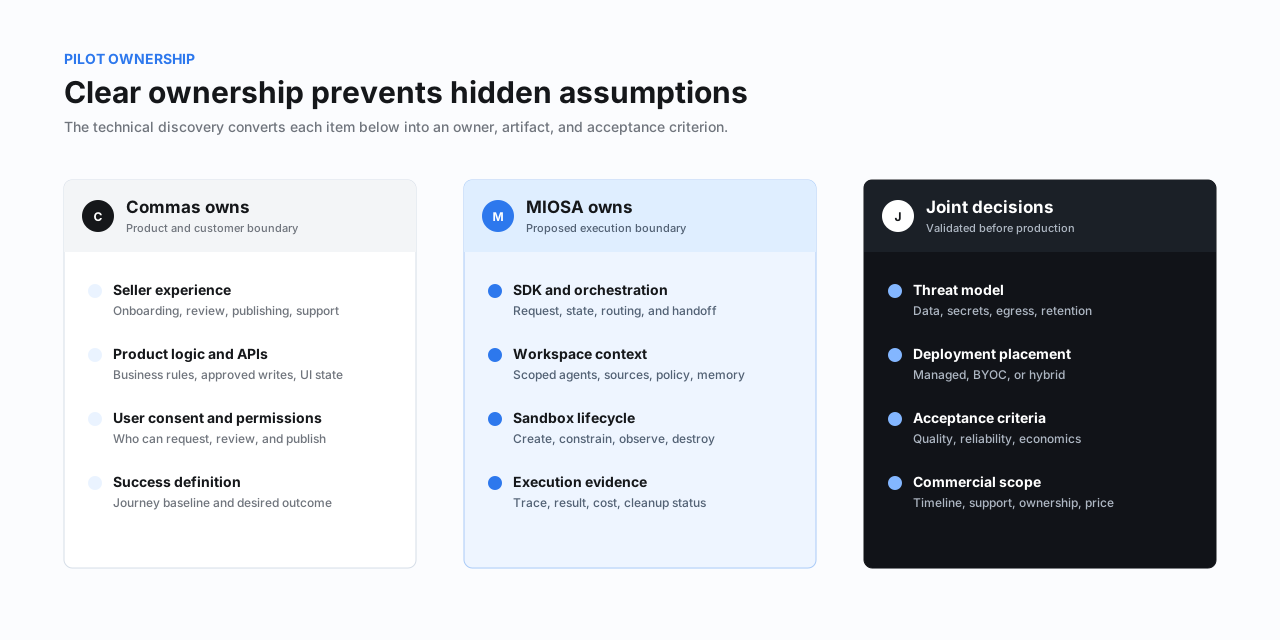
The next technical session should convert these proposed controls into a reviewed threat model, ownership matrix, and testable acceptance criteria.
The pilot can start quickly without forcing the long-term infrastructure decision before security, cost, and ownership requirements are known.
MIOSA operates the runtime and sandbox lifecycle while Commas owns the product experience, seller relationship, and publishing controls.
The orchestration layer deploys into Commas-controlled cloud infrastructure, accounts, networks, databases, and observability.
Shared orchestration with workload placement selected by customer tier, compliance requirement, cost profile, or data boundary.
Commas owns the product and publishing experience. MIOSA owns the proposed orchestration and runtime layer. Security and pilot decisions are joint.
The engagement begins as hands-on technical consulting and implementation. The goal is to integrate with the code and systems Commas already owns, then transfer a tested operating model to the internal team.
Read the detailed consulting scopeIdentify the backend boundary, select the appropriate SDK client, and map required custom adapters.
Define organizations, workspaces, users, agents, data access, and handoff rules for each product journey.
Configure instructions, tools, models, parameters, budgets, output schemas, review rules, and customer-owned keys.
Instrument the run, test isolation and cleanup, document decisions, and train the owners who will operate it.
Small enough to observe closely. Large enough to expose repeated patterns.
Choose users and one first-dollar journey.
Map identity, agent, tools, keys, and limits.
Measure completion, edits, cost, and failures.
Expand, revise, or stop based on evidence.
This sequence keeps the first build narrow enough to verify while preserving the architecture Commas would need at enterprise scale.
Confirm API surfaces, current agent code, sandbox economics, security requirements, ownership boundaries, and the exact first-dollar journey.
Ship one narrow seller journey in an isolated environment. Instrument completion, errors, generation cost, review time, and publish rate.
Use pilot evidence to choose managed infrastructure, Commas BYOC, or a hybrid model before expanding into enterprise design partners.
Current API documentation, test credentials, and a non-production seller tenant.
The existing funnel agent code and the shared-sandbox workflow Alisha described.
Security, privacy, compliance, data residency, and audit requirements.
A single first-dollar user journey with current baseline metrics and failure points.
Named technical and product owners who can approve architecture and scope decisions.
These actions prepare the next session without treating this working brief as a binding implementation scope.
 MIOSA prepares
 Commas provides